
Selecting and using a dew point transmitter in compressed air systems

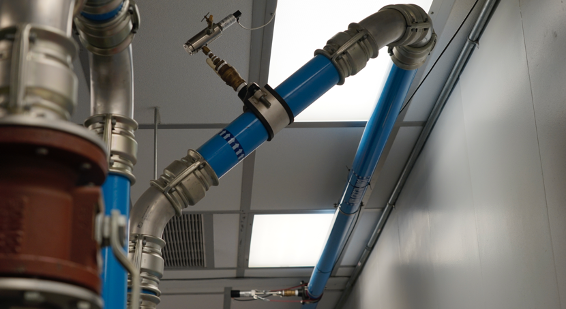
Selecting, placing, and using a dew point transmitter in compressed air systems is a critical step toward ensuring reliable performance and protecting downstream equipment. The dew point, the temperature at which water vapor condenses into liquid, is a key indicator of air dryness. Proper dew point monitoring helps to evaluate dryer performance, prevent moisture-related failures, and optimize maintenance schedules. This guide will walk through practical considerations, common pitfalls, and an effective strategy to maintain air quality within industrial compressed air networks.
How to select and position a dew point transmitter
Choosing the right dew point transmitter involves understanding the specific conditions of your compressed air installation. Different sensors may vary in measurement range, accuracy, response time, and compatibility with existing control systems. It is essential to consider these factors relative to the operating environment and the air quality standards required.
Placement plays an equally important role. A common mistake is relying on only one dew point sensor installed in a non-representative location. Moisture levels can fluctuate significantly throughout the system, depending on temperature changes, airflow dynamics, differential pressure zones, and caused by air leaks downstream.
For example, placing a sensor immediately after the dryer outlet provides crucial information on dryer efficiency. When dew point is not too critical, this is often sufficient. However, when dew point is critical for certain processes, as in food and pharmaceutical industries, it is vital to monitor dew point near critical processes or point-of-use locations. Without strategic positioning, teams may be misled by an apparently “dry” reading from one sensor, while pockets of wet air remain undetected elsewhere.
Seasonal variations also influence dew point readings. Warmer ambient temperatures generally increase moisture content in compressed air intake, while colder months may reduce it but cause other issues such as condensation inside piping. Monitoring across different points helps identify these patterns and their effects on the drying system.
Understanding dryer performance and wet-air failure modes
Compressed air dryers remove moisture before air reaches sensitive equipment. There are several dryer types, refrigerated, desiccant, membrane, and each performs differently based on operating conditions.
Monitoring dew point allows you to gauge drying performance effectively. When a dew point transmitter shows rising values after a dryer unit, it may indicate filter fouling, refrigerant issues, or desiccant exhaustion. Early detection helps to avoid costly downtime and equipment corrosion.
Wet-air failure modes can look like sudden dew point spikes during heavy flow or pressure changes. For instance, a dryer regenerating desiccant beds will cycle between drying and regeneration phases, which temporarily affects dew point levels. Similarly, pressured drops due to valve operations or leaks can cause localized condensation.
Using only flow or power measurement data to infer moisture problems is insufficient. While these parameters provide supporting context, such as dryer cycling rate or compressor load, dew point data directly reveals air dryness and moisture risk.
Common mistakes in dew point transmitter use
- Installing a single sensor in the wrong spot, leading to inaccurate system-wide moisture assessment
- Ignoring seasonal variations that affect air intake humidity and thus dew point trends
- Neglecting to correlate dew point data with pressure and flow dynamics for better diagnosis
- Failing to interpret transient dew point alarms related to dryer cycling or operational shifts
- Overlooking point-of-use monitoring for critical tools or production lines
Step-by-step dew point monitoring plan
An effective dew point monitoring strategy involves multiple steps to ensure comprehensive moisture control across the compressed air network:
- After dryer measurement: Position a dew point transmitter immediately downstream of the dryer. This sensor provides clear insight into dryer efficiency and early warning for maintenance needs.
- Downstream critical branches: Install transmitters at key distribution points supplying sensitive processes. This helps detect moisture ingress or leaks within the piping.
- Point-of-use monitoring: For highly sensitive or moisture-dependent equipment (such as paint booths, pneumatic instruments, or food packaging machines), dedicated sensors provide localized dew point verification.
Key Performance Indicators (KPIs) to track for these installations include:
- Dew point trend: Long-term logging of dew point variation shows dryer health and air quality changes over time.
- Alarm frequency: Monitoring how often dew point thresholds are breached helps to assess system stability.
- Correlation with pressure, flow and temperature: Analyzing dew point changes alongside system pressure, flow and compressed air temperature facilitates root cause analysis of moisture issues.
- Dryer cycling behavior: Understanding how dryer regeneration cycles affect dew point improves preventive maintenance scheduling.
Integrating dew point transmitters with monitoring systems
Advanced monitoring platforms streamline data collection and alert management. Solutions like the VP Dew Point Sensor combined with VPVision software enable real-time trending, visual alarms, and historical analysis from multiple sensor points.
Such integrated systems also allow correlating dew point data with additional parameters like air flow and power consumption. For instance, increased dryer cycling detected via flow meters or power meters can be matched with dew point fluctuations to optimize dryer operation.
For more detailed information about the compressed air meter options that complement dew point monitoring, see the VPInstruments compressed air flow meters product range.
Implementing a holistic dew point monitoring approach not only enhances compressed air quality but also reduces unexpected failures and maintenance costs by providing actionable insights directly from critical points in your system.
Explore how VPInstruments’ dew point monitoring products can support your air quality management. Their range of reliable sensors paired with intelligent software solutions provide practical, accurate, and cost-effective measurement tailored for industrial environments.
Conclusion
Proper selection, placement, and use of a dew point transmitter in compressed air systems is essential to maintain air quality, protect equipment, and optimize dryer performance. Avoid relying solely on a single sensor or ignoring seasonal and operational variations. Instead, adopt a layered dew point monitoring plan covering dryer outlets, downstream branches, and sensitive end-use points.
Tracking KPIs such as dew point trends, alarm frequency, and correlations with pressure and flow changes provides a comprehensive view for early warnings of wet-air failures. Integrated solutions like the VP Dew Point Sensor and VPVision software simplify this data management and enable smarter maintenance decisions.
To enhance your compressed air system’s reliability and moisture control, explore the full range of dew point transmitters and monitoring solutions available from VPInstruments. Or contact us for advice, we are happy to help.

 中国 (简体中文)
 UK (English)

