
Controlling utility costs and reliability in construction sites
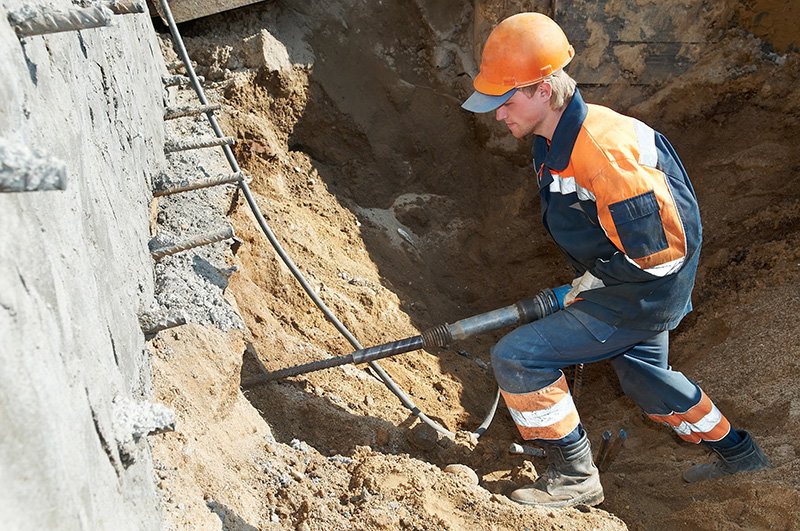
Controlling utility costs and ensuring reliable power and compressed air supply are critical challenges in the construction industry. Harsh environments, pervasive dust, fluctuating demand, mobile equipment like compressors and generators, and numerous temporary connections create real constraints that complicate effective utility management. Understanding these challenges and implementing a structured monitoring plan can reduce waste, improve uptime, and optimize cost control on large sites.
Controlling utility costs and reliability in the construction industry
In the construction industry, utility systems, mainly compressed air and power, face harsh conditions including dust, vibration, and exposure to weather. These conditions increase risks such as leaks in temporary piping and connections, which drive up energy consumption and operational costs. Additionally, variable demand throughout the project lifecycle requires adaptable resource management to avoid oversizing or undersupplying utilities.
Typical mistakes include neglecting early detection of leaks or pressure drops, not monitoring load peaks on generators, and underestimating the impact of dew point fluctuations on compressed air quality. These problems lead to increased downtime, expensive repairs, or premature equipment wear.
To address these issues systematically, construction sites need real-time measurement of critical parameters to detect inefficiencies and maintain system reliability. Reliable flow and power measurement can pinpoint energy losses or instability and provide data for proactive maintenance.
For more insights on why you should start measuring, watch our free webinar on compressed air: Webinar What you don’t know, can hurt you.
Step-by-step monitoring plan for construction utility systems
Implementing a comprehensive monitoring plan involves key stages focusing on strategic points throughout your utility network. This approach helps track usage, detect leaks, and minimize downtime.
Main headers monitoring
A construction site is a dynamic place. Compressors are placed somewhere on the site, while construction takes place all around. Try to measure, where possible, in the main headers feeding the machines and tools on site. Placing flow meters and power sensors on central places provides a baseline for total site consumption and overall system efficiency. Monitoring at this level helps identify large-scale leaks or unusual consumption spikes that arise from multiple temporary connections or moving equipment.
Monitoring high-demand tools and lines
Key tools such as pneumatic breakers, concrete pumps, or heavy-duty saws often require variable power and compressed air supply. Installing flow and power sensors on these lines enables evaluation of demand variability and performance consistency. This also helps identify pressure drops caused by leaks or blockages in localized areas, ensuring operators receive adequate supply when needed.
Monitoring generator and compressor feeds
Generators and compressors are mobile and subject to harsh environmental effects. Monitoring each unit’s feed with power meters and flow sensors allows site managers to track their operational efficiency, detect early mechanical issues, and optimize load distribution across multiple units. Dew point monitoring plays a vital role here by verifying compressed air quality, preventing moisture-related damages and ensuring equipment longevity.
Key performance indicators (KPIs) to track
- Pressure stability: Sudden drops or fluctuations can indicate leaks or blockages.
- Nm³/h variability: Measures actual volumetric flow of compressed air, helping detect consumption anomalies.
- Leakage rate: Percentage of lost air/gas over time, essential for cost control.
- kW peaks: Identifies power surges, allowing assessment of generator or compressor loading.
- Downtime incidents: Logs how often and for how long equipment is offline, highlighting reliability issues.
Leveraging VPInstruments for utility monitoring in the construction industry
VPInstruments offers a suite of measurement solutions tailored for complex industrial environments like the construction industry. Their flow measurement devices provide accurate and reliable readings even in challenging conditions with dust and vibration. This supports early detection of leaks and load fluctuations, crucial to reducing energy waste.
Dew point monitors from VPInstruments help maintain compressed air quality by ensuring moisture levels remain within safe limits, thus protecting equipment and pneumatic tools from corrosion and damage. Reliable power monitoring tools track consumption in generators and compressors, enabling better demand management and preventing unexpected outages.
The VPVision software platform integrates flow, dew point, and power data into a centralized dashboard, offering real-time alerts and detailed reporting. This visibility improves decision-making and facilitates preventive maintenance, limiting costly downtime and utility waste.
Recommended utility monitoring tools for construction sites
For practical deployment, consider:
- VPFlowScope flow meters for accurate real-time flow and pressure measurements on pipes and air lines.
- VP Dew Point sensors to ensure compressed air moisture remains under control.
- 3-phase power meters for detailed monitoring of generator and compressor power consumption.
- VPVision software for data visualization, alerting, and in-depth analysis across multiple measurement points.
For specifics on available products and configurations that suit mobile and temporary setups, check the product options at VPInstruments product page.
Conclusion
Controlling utility costs and ensuring reliable operation in the construction industry requires a well-planned monitoring strategy. By focusing on key points like main headers, high-demand tools, and mobile equipment feeds, and by tracking essential KPIs such as pressure stability and leakage rates, construction managers can significantly improve resource efficiency and reduce downtime.
Utilizing solutions from VPInstruments, featuring advanced flow meters, dew point monitors, power measurement tools, and the VPVision management system, provides actionable insights to optimize utility systems even in harsh, dynamic site environments.
Explore the most relevant VPInstruments category for construction utility monitoring to start improving your site’s energy performance and reliability today. Or contact us for any advice. We are always happy to help.

 中国 (简体中文)
 UK (English)

