
Dew point meter tips to protect compressed air systems
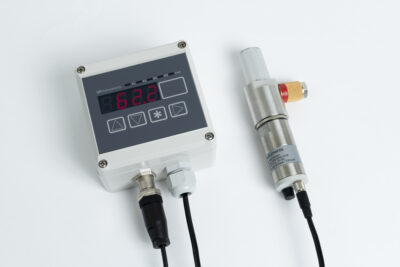
A dew point meter is an essential tool for maintaining high-quality compressed air in industrial systems. It measures the temperature at which water vapor condenses into liquid, called the dew point, which directly impacts corrosion, freezing and even product integrity. Monitoring dew point is critical in compressed air systems to avoid costly equipment damage and maintain process reliability.
What is a dew point meter and why is it important?
The dew point is the temperature at which air becomes saturated with moisture and condensation begins. When compressed air is cooled beyond this temperature, water forms and can cause corrosion in piping, damage to pneumatic equipment, and contamination in production lines. A dew point meter helps monitor this value to ensure dry and reliable air.
Compressed air dryers are designed to lower the dew point, but without ongoing measurement, you’re operating blind. Even minor deviations from target dew point levels can reduce efficiency or impact product quality, especially in food, pharmaceutical, and electronics manufacturing. View our free webinar on dew point to learn the impact it can have on your system.
Installing and using a dew point meter effectively
To get accurate and actionable measurements, the dew point sensor should be installed downstream of the air dryer, in a location that closely reflects the actual usage conditions. For systems with multiple dryers or critical points of use, consider installing additional sensors for zone-level monitoring.
When installing, ensure the probe is exposed to the airflow without dead spots, and use stainless steel sampling lines where necessary to prevent condensation buildup before measurement. For accurate readings, allow stabilization time after installation or maintenance.
Interpreting dew point trends and setting alarms
Monitoring dew point over time reveals system stability and dryer performance. Gradual increases may indicate desiccant degradation or refrigeration issues, while sudden spikes can signal failure. Set alarm thresholds based on your critical process needs, for example, -40 °C for food applications requiring Class 1 air quality per ISO 8573-1.
Connecting your dew point meter to a data logging system like VPVision allows for real-time monitoring, historical trend analysis, and email alerts when levels exceed safe limits. This visibility helps teams react quickly and perform preventative maintenance.
Common dew point issues and troubleshooting tips
Recurring or sudden dew point problems can stem from several sources. The key is to interpret the trend pattern and check related system components.
- Sudden Dew Point Spikes: Check for dryer bypass valves being open, desiccant bed saturation, or system leaks allowing humid air in.
- Seasonal Fluctuations: Outdoor air conditions can affect dryer load, especially with non-insulated intake lines. Adjust system settings seasonally if needed.
- Dryer Performance Drops: A consistently high dew point may show refrigeration failures, clogged filters, or insufficient purge air flow in desiccant dryers.
Routine maintenance on dryers, filters, and proper sensor calibration are crucial. A proven instrument like the VP Dew Point Sensor helps identify issues early through continual monitoring.
Enhancing your compressed air monitoring strategy
Integrating dew point readings with other compressed air energy KPIs improves your understanding of system health. Monitor alongside flow, pressure, temperature and power consumption to find inefficiencies or detect compressor issues. VPInstruments offers tools designed specifically for compressed air diagnostics, such as the VPFlowScope M.
Systems like VPVision help centralize all sensor data, log trends, trigger alerts, and simplify reporting. This full-picture approach supports energy savings, process uptime, and ISO compliance.
Conclusion: protect your equipment with dew point monitoring
A dew point meter plays a vital role in protecting your compressed air system from moisture-related failures and quality issues. By knowing where to install sensors, how to read trends, and when to react, industrial teams can maintain optimal performance and prevent downtime. VP Instruments offers robust dew point monitoring solutions, easy to integrate and supported by advanced platforms like VPVision.
Start improving your system’s reliability with dew point monitoring and explore our full range of measurement solutions designed to optimize your operation end to end.

 中国 (简体中文)
 UK (English)

