中国 (简体中文)
 UK (English)
 ES (Espanol)
 FR (Francais)
 DE (Deutsch)
 NL (Nederlands)
Monitor oxygen consumption with the right flow meter
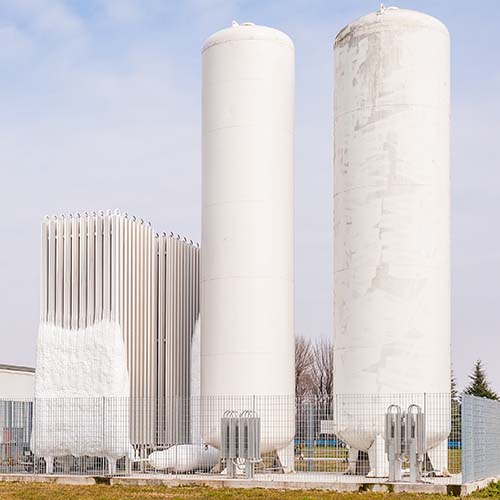
Measuring and monitoring oxygen consumption in industrial environments is essential for cost control, process optimization, and operational safety. Using the right oxygen flow meter not only helps track gas usage accurately but also supports energy savings and resource efficiency. In industries such as metal processing, food packaging, and pharmaceuticals, understanding oxygen flow is critical to maintaining consistent product quality and meeting safety requirements.
Why use an oxygen flow meter in industrial applications?
Oxygen is often used in applications such as welding, combustion processes, and modified atmosphere packaging. While essential, it is also a consumable resource that influences both production costs and safety compliance. An oxygen flow meter allows precise tracking of gas flow to:
- Monitor and reduce unnecessary consumption
- Validate proper flow rates to critical processes
- Detect early deviations in system performance
- Support leak detection and maintenance planning
- Ensure compliance with internal audits and external standards
When integrated with data monitoring systems, these instruments become strategic tools for operational diagnostics. For instance, VPInstruments offers real-time monitoring solutions that visualize flow data and help detect savings opportunities.
Selecting the right setup for oxygen monitoring
Choosing the correct oxygen flow meter involves more than matching sizes and measurement range. Safety, compatibility, and ease of integration must also be considered. Industrial oxygen systems typically require thermal mass flow meters or differential pressure-based flow meters designed for gas applications. For clean, dry gases under consistent flow, inline thermal mass flow meters are often used.
VPInstruments’ VPFlowScope In-line is suitable for high-accuracy oxygen measurement and pairs with a modular interface for real-time monitoring. When selecting a device, take note of compatibility with oxygen (material safety is key), flow conditions, and whether the meter is intended for permanent installation or temporary audits.
Best practices for measurement points
Measurement accuracy depends greatly on where and how the device is installed. Ideal positions are downstream of regulators, close to process entry points, or on key distribution lines where flow balancing is critical. Avoid placing meters immediately after bends, valves, or restrictions, as these can create turbulence and affect readings.
To ensure reliable data, allow for straight pipe lengths upstream and downstream of the installation point. If your layout is limited, contact VPInstruments team of expert to discuss your application for free advice.
Turning data into insights and savings
Once installed, it’s not enough to collect data, you need to use it. Trending oxygen consumption over time helps correlate with production cycles, identify baseline usage, and detect outliers that might indicate leaks. A sudden spike in flow might suggest a pressure control issue or process malfunction.
Alarms and thresholds can be configured in monitoring platforms to notify facility teams of deviations. These alerts support proactive maintenance decisions and prevent operational risks. VPInstruments’ monitoring ecosystem captures, stores, and displays data across your facility, translating consumption patterns into actionable dashboards.
Integrating oxygen flow measurement into your monitoring solution
Because oxygen is often one of multiple technical gases in use, a comprehensive monitoring approach provides greater context. VPInstruments’ instrumentation can measure different utilities and are plug and play integrated in the monitoring solution VPVision. The total solution includes hardware, software, and analytics tools that work together to unify your monitoring strategy. This includes long-term trending aligned with other utility usage data. Combining your oxygen flow meter data with production metrics helps identify cost per unit output, calculate carbon footprint, and support energy-saving initiatives.
Conclusion: Smarter oxygen consumption monitoring
Reliable oxygen consumption monitoring improves safety, ensures process compliance, and uncovers opportunities for efficiency. The right oxygen flow meter, when paired with smart monitoring tools, provides clear visibility into how, when, and where oxygen is used in your facility. VPInstruments offers a full range of flow meters and diagnostic tools tailored for industrial compressed gas applications.
To explore appropriate solutions and equipment for your oxygen flow monitoring needs, visit our compressed air and gas flow meter page or view our product lineup, including the VPFlowScope In-line for high-accuracy gas measurements.