
Cut compressed air costs in the paper industry
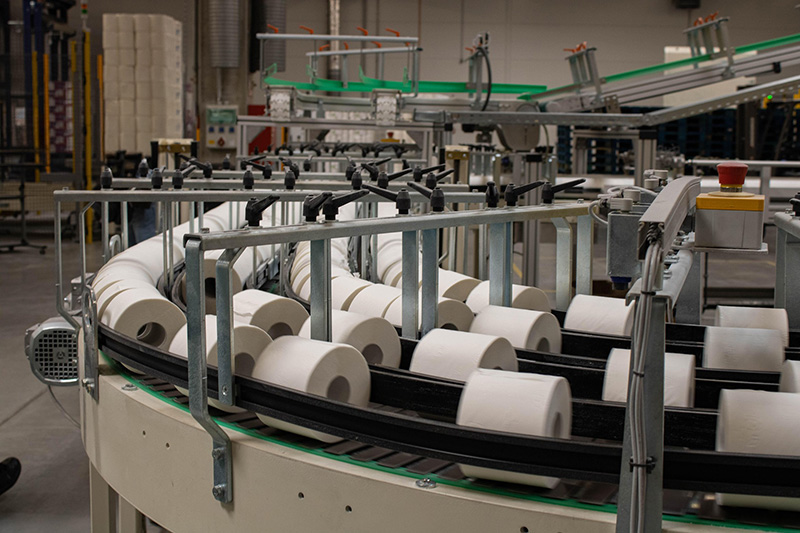
The paper industry is under increasing pressure to optimize energy use and reduce operational costs. One of the most overlooked areas for savings lies within compressed air and utility systems, which can consume up to 30% of a plant’s electricity. Common inefficiencies such as air leaks, pressure drops, and ineffective dryers directly impact both uptime and energy bills. By deploying targeted measurement strategies, mills can cut costs significantly and ensure reliable production. . Explore how a flow meter can cut energy costs to start your energy savings journey.
Key compressed air challenges in the paper industry
Paper and pulp facilities rely heavily on compressed air for actuators, presses, and other critical processes. Unfortunately, these systems are often riddled with inefficiencies:
- Leaks: A 2 mm leak can waste over 2,000 euros annually. Many systems experience leaks up to 30% of their total consumption.
- Incorrect pressure setpoints: Running at higher than necessary pressure increases power demand exponentially.
- Poor air quality: Moisture and debris degrade equipment, increase maintenance costs and can even cost product loss.
- Faulty dryers: Inefficient dryers raise dew points, impacting process quality and inducing unplanned downtime.
Understanding these issues is the first step. The next is measurement.
Step-by-step compressed air measurement plan
An effective strategy begins with measuring flow, energy use, pressure, temperature, and dew point across the network. The key is to combine high-quality sensors with smart monitoring software. The VPFlowScope M is ideal for tracking flow, pressure, and temperature in one device, enabling real-time decision-making. Start your plan with the following steps:
1. Identify high-impact measurement locations
To gain meaningful insights, measurements should be taken at strategic points:
- Main header: Capture total air consumption across the plant.
- Compressor room: Monitor air generation efficiency with flow and kWh inputs.
- Critical machines: Measure usage at departments like the paper machine hall or pneumatics-heavy areas.
This data reveals where losses occur and allows benchmarking of production lines.
2. Track key performance indicators (KPIs)
Quantifiable data supports accurate diagnosis and cost justification. The most relevant compressed air KPIs for the paper industry include:
- Flow (Nm³/h): Measured in standard cubic meters per hour, flow shows consumption trends and demand profile.
- Electrical energy (kWh): Captures compressor power input.
- System pressure (bar): Monitored for consistency and to avoid unnecessary pressure drops or insufficient pressure to operate the machines.
- Dew point (°C): Indicates air dryness, essential to avoid corrosion and bacterial growth in moist environments.
- Leakage rate (%): Typically estimated by measuring nighttime flow with no production.
Using a 3-phase power meter together with a flow sensor provides insights into system performance (kW/Nm³). This unit efficiency metric helps determine whether your compressors are running optimally or need upgrading.
3. Analyze data and apply optimization
Capturing good data is only useful if it leads to action. With a monitoring platform like VPVision, you can visualize trends, detect deviations, and set alarms for anomalies such as rising dew points or sudden pressure drops. This enables predictive maintenance and faster response to potential failures, reducing downtime.
For example, a mill running multiple compressors may use VPVision to schedule them based on actual load profiles, not fixed time cycles. This optimizes sequencing and reduces energy costs significantly. Learn more about the benefits of an energy monitoring tool as VPVision.
From data to savings: transforming operation in paper plants
When implementing a monitoring system, it’s important to follow up with a root cause analysis. If leakage is 25%, walk through the network with ultrasonic detectors and prioritize fixing the largest leaks. If dew point raises frequently, check dryer functionality and consider maintenance or replacement. If some machines show abnormally high flow, it may indicate stuck valves or unnecessary blow-offs.
Ultimately, continuous measurement is what enables continuous improvement. Without it, opportunities are missed, inefficiencies grow, and unplanned downtime strikes.
Start monitoring your compressed air system today
Reliable, accurate measurement is key to reducing costs and improving performance in compressed air systems for the paper industry. VPInstruments’ product line includes all-in-one flow meters, power meters, and dew point transmitters, all built for industrial settings. Combining these with VPVision allows for full insight into compressed air behavior, alarms and efficiency over time. Explore our complete product range and start optimizing your plant’s utility performance today.

 中国 (简体中文)
 UK (English)

