
Flow meters for compressed air and energy efficiency
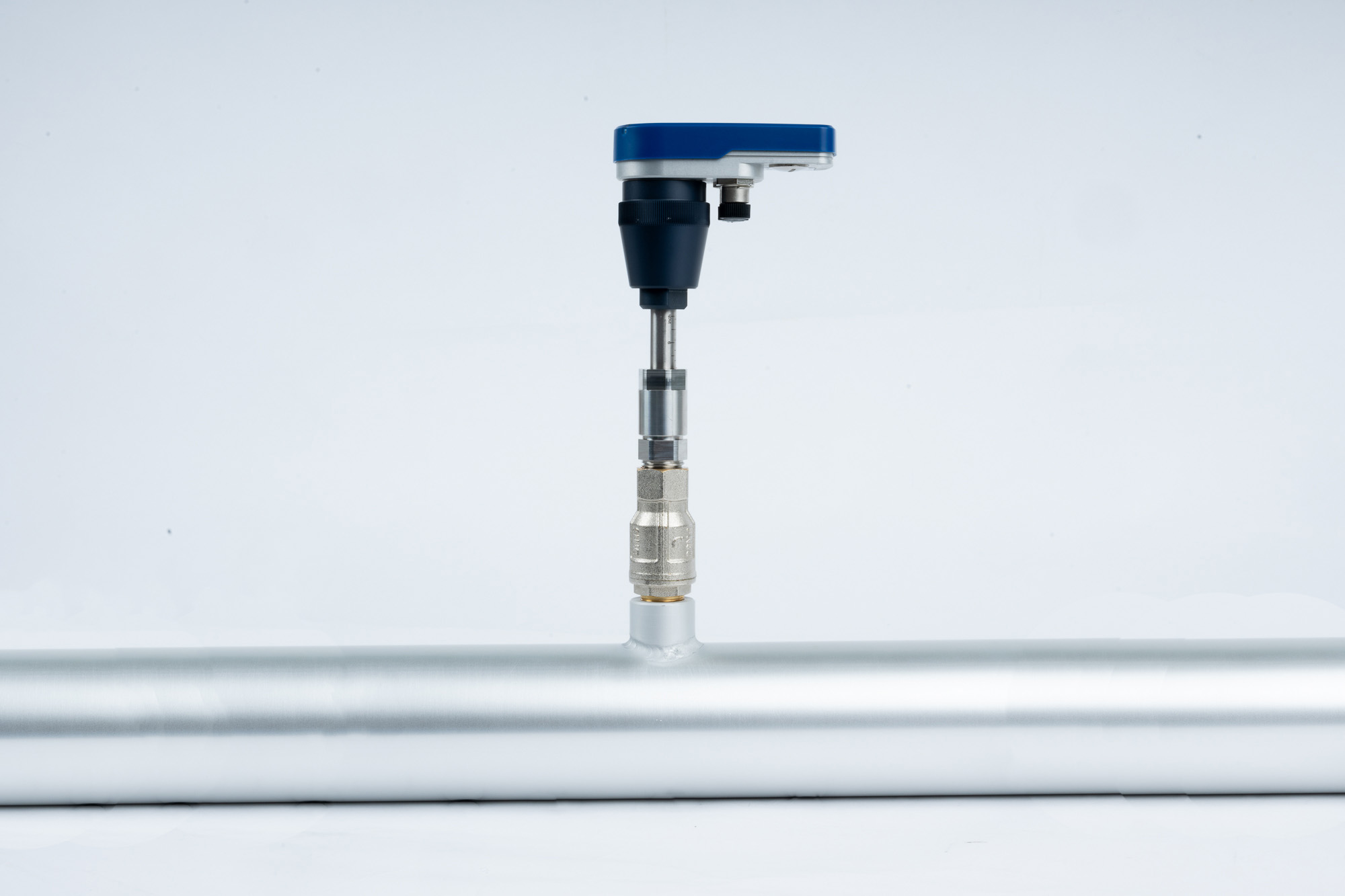
Flow meters play an essential role in helping energy and maintenance managers monitor and optimize compressed air and gas systems. These instruments measure the amount of air or gas flowing through a pipe, allowing facilities to reduce energy waste, detect leaks early, prevent downtimes, and plan effectively for system capacity. Accurate measurement is the foundation for energy efficiency and system reliability, especially in industrial environments where compressed air is often one of the most expensive utilities.
Flow meters: what they measure and why it matters
Flow meters are devices used to quantify the flow rate of air and gases in compressed air systems, helping plants understand consumption patterns and system performance. They typically measure either volumetric flow (like cubic meters per hour) or mass flow (kilograms or standard cubic meters per second). The use of mass flow sensors are recommended for compressed air systems as results can be compared at different pressures and temperatures.
Different flow measurement technologies include thermal mass, differential pressure, and ultrasonic. The VPFlowScope® M, for example, is designed for industrial applications and supports easy installation without needing to interrupt production. Choosing the right flow meter depends on several factors such as operating flow, pressure range, pipe size, and whether the measurement point requires bidirectional capability.
Common applications of flow meters in industrial plants
Reliable flow data unlocks a variety of use cases across operational, maintenance, and energy efficiency domains. Here are a few essential applications:
- Energy savings: Measuring consumption helps identify inefficiencies and eliminate waste, which directly reduces operating costs.
- Leak detection: Leaks can waste 20–30% of compressed air. Flow meters help pinpoint leaks by monitoring flow during shutdowns, low operation periods or by benchmarking data over time.
- Capacity planning: Flow data helps assess whether existing compressor capacity is adequate and how to maximize available capacity for your production lines.
- Uptime improvement: By identifying abnormal patterns, 4-in-1 flow meters can act as early warning tools for system issues or equipment failure.
These benefits depend on your ability to turn raw data into insights. This is where software solutions like VPVision come in. The platform visualizes and analyzes flow data, providing dashboards for real-time monitoring, benchmarking, and alerting. Learn how this textile company used 4-in-1 flow meters and VPVision to optimize compressed air capacity per loom machine and simultaneously capture energy savings activities.
How to implement a flow measurement program
Establishing a plant-wide flow monitoring system is most effective when done in structured steps. A roadmap ensures that investments deliver both short- and long-term value. Here’s a simple three-phase approach:
1. Baseline measurements
Start by identifying key measurement points using a systems approach. Typical locations include the main compressor room discharge, before and after dryers, and major department branches. These baselines give you a snapshot of current system demand and losses. It’s also crucial to calibrate all instruments properly for accurate readings. Refer to this guide on flow meter calibration for best practices.
2. Capture quick wins
Once your base data is in place, analyze it to find immediate improvement areas. This often involves fixing major leaks, adjusting compressor control strategies, or shutting off unused equipment during breaks. Software like VPVision helps track these changes and show verified savings, making it easier to justify further investments.
3. Enable continuous improvement
Finally, expand your measurement network and refine your KPIs (Key Performance Indicators). Integrating data from dew point sensors, power meters, and flow meters helps you correlate energy use with specific areas or production loads. Set up alerts and performance dashboards to catch issues early and stay on target with energy goals.
KPIs to track for effective compressed air management
Key Performance Indicators (KPIs) help assess the effectiveness of your monitoring system and guide ongoing improvements. Some useful KPIs include:
- Specific energy (kWh/m³): Energy consumed to produce one cubic meter of compressed air. Lower is better.
- Leakage rate (%): Flow during non-production periods as a percentage of total flow.
- System utilization (%): Ratio of actual to full system capacity, used to measure compressor sizing.
- Flow per production unit: Helps benchmark air use efficiency against output over time.
You can also use tools like the VPInstruments cost calculator to estimate the financial impact of improvements and justify ROI.
Choosing the right flow meters and tools for your plant
Different production environments demand different flow measurement solutions. For example, insertion meters like the VPFlowScope DP are ideal for wet air measurements at the discharge of the compressors, while inline meters such as the VPFlowScope In-line are perfect for smaller lines at point-of-use. All VPInstruments meters are compatible with VPVision, providing a unified platform for monitoring, analytics, and alerting. Additionally, tools like the 3-phase power meter help track compressor energy use directly, supporting a more comprehensive view of system efficiency.
Conclusion: Unlock energy savings with flow monitoring
Implementing flow meters in your compressed air system allows for accurate consumption tracking, early problem detection, and data-backed decision-making. By following a structured rollout plan and monitoring key performance indicators, energy and maintenance managers can achieve long-term energy savings and system reliability. Explore VPInstruments’ complete range of flow meters and analytics software to build a robust and future-ready monitoring program for your facility.

 中国 (简体中文)
 UK (English)

