中国 (简体中文)
 UK (English)
 ES (Espanol)
 FR (Francais)
 DE (Deutsch)
 NL (Nederlands)
Power measurement for optimised compressed air efficiency

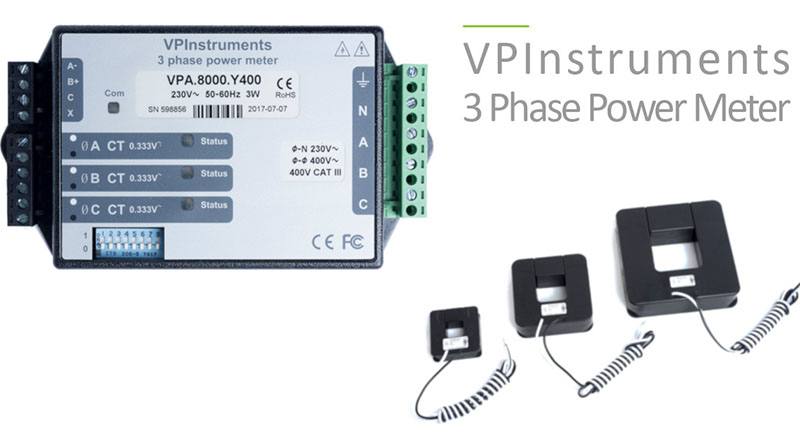
Power measurement is a critical component in optimising compressed air systems and reducing energy costs in industrial environments. For energy and plant managers under pressure to deliver measurable results, understanding real kW consumption reveals inefficiencies and unlocks savings opportunities.
Why power measurement matters in compressed air systems
Compressed air systems often account for 10–30% of total electricity usage in manufacturing plants. However, 10–20% efficiency gains are frequently achievable, and total savings can reach 50% if misuse and inefficiencies are addressed. Measuring power (kW) consumed by compressors against output flow (Nm³/h) allows calculation of specific power (kWh/Nm³), a key metric for identifying performance issues and opportunities for cost reduction.
Integrating power data with a robust monitoring software solution provides precise insights for continuous improvement and supports ISO 50001 energy management goals.
How to measure power and link it to efficiency
Install power meters on each compressor to collect real-time energy consumption. Use additional sensors such as flow meters with integrated pressure sensor to correlate power with output conditions.
- Choose suitable power meters based on your compressor type (e.g., kW, amps range).
- Connect meters to supervisory systems (SCADA/PLC) or a central platform like VPVision.
- Log baseline kWh consumption during stable production conditions.
- Repeat after implementing improvements to compare and verify savings.
Always follow plant safety protocols, installing power meters requires certified electrical engineers
From measurement to savings: a proven workflow
Adopt a systematic approach to get results from your data:
- Baseline: Install meters, log compressor kWh and output data.
- Analyse: Use VPVision to calculate specific power and detect anomalies.
- Act: Optimise load/unload schedules, reduce artificial demand or repair leaks.
- Review: Audit periodically, track improvements, and validate ROI.
Example: Car manufacturer saves $600,000
An extensive air audit, including measuring of compressor efficiency and kW consumption, showed savings of $600,000 annually in this US car manufacturing plant. Read here the entire article.
What to track for continuous improvement
To maintain gains and detect new problems, monitor these KPIs:
- Specific power (kWh/Nm³) – Overall system efficiency
- Load/unload ratio (%) – Compressor control effectiveness
- Flow balance – Distribution efficiency to production zones
- Pressure drop (bar) – Indicates undersized or blocked piping
- Leak rate (%) – Calculated during idle periods
Take control of your compressed air power usage
Power measurement gives visibility into where your energy spend goes and how to improve it. When linked with additional data as from flow and dew point sensors, it enables targeted actions with measurable ROI. VPInstruments makes it simple to implement, even with busy teams and complex sites.
Book a demo of VPVision to see how real-time power data translates into long-term savings.
Where should I install power meters in compressed air systems?
On the compressor’s power line for kW measurement and on large consumers.
Can VPInstruments sensors integrate with my SCADA?
Yes, VPInstruments sensors support Modbus and other industrial protocols.