
Operator checklist for compressed air practical daily and weekly checks
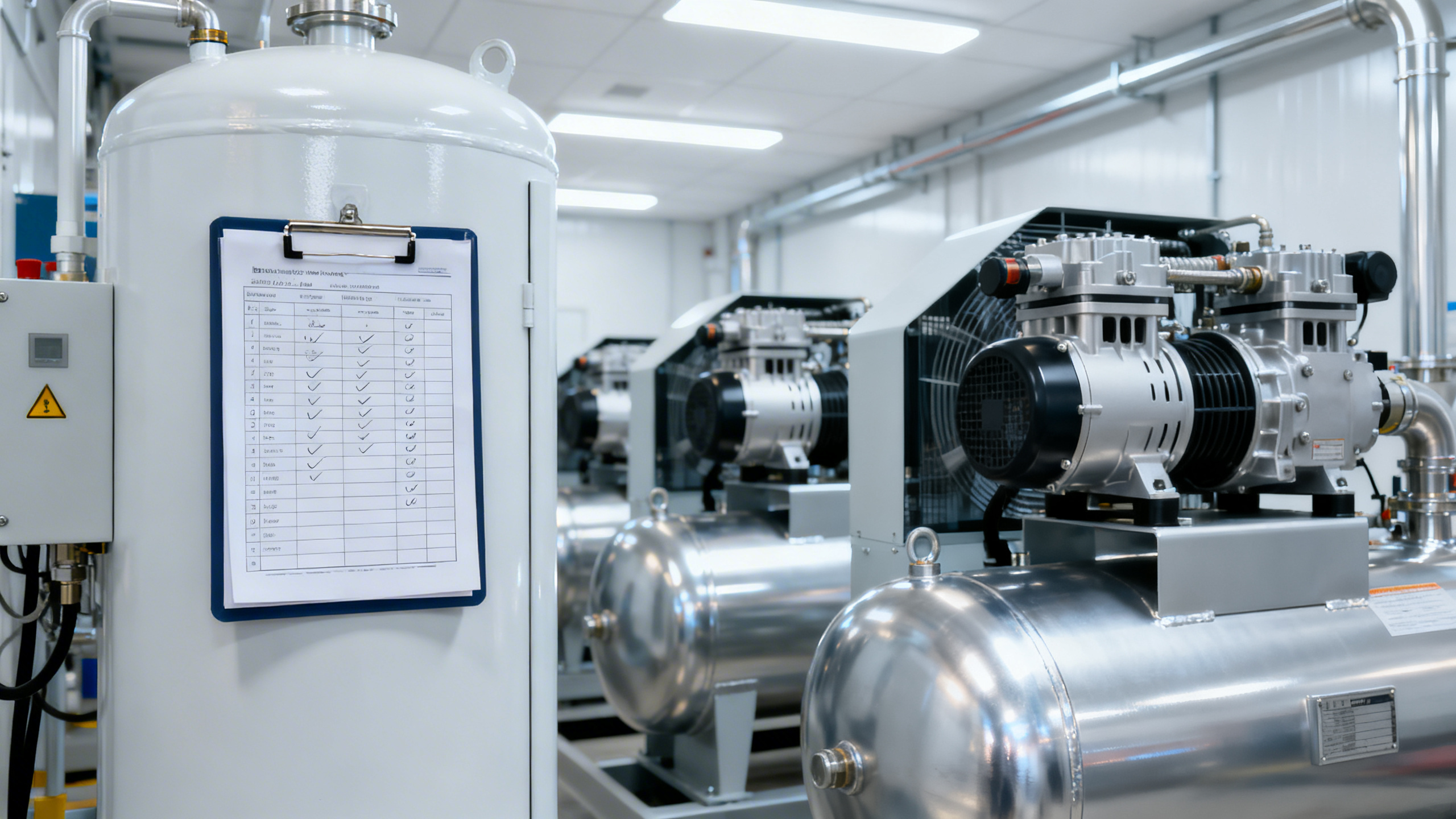
Creating an effective operator checklist for compressed air systems helps ensure reliable utility health without requiring operators to be engineers. This hands-on guide outlines practical daily and weekly checks, how to recognize normal versus abnormal conditions using senses and simple measurements, and when to escalate issues. It also explains how monitoring data enhances rounds and supports teamwork with maintenance using VPInstruments’ technologies like VPFlowScope flow meters, dew point monitors, and the VPVision dashboard. The goal is to empower operators as proud owners of basic compressed air system health while keeping their tasks clear and manageable.
Building an operator checklist for compressed air
Operators play a crucial role in maintaining compressed air system performance. An operator checklist for compressed air focuses on a mix of sensory observations alongside straightforward instrument readings. This hybrid approach leverages the operator’s everyday familiarity with the plant environment as well as data from reliable tools to catch anomalies early.
Daily tasks typically emphasize immediate system health indicators, while weekly checks include more in-depth data reviews and preventative actions. Here is how to structure those essential checks:
- Daily: Listen for unusual compressor sounds, smell for oil or moisture, observe visible condensate in air lines, and verify pressure consistency.
- Weekly: Review flow rate trends, dew point alarms, and inspect filter condition and condensate traps.
What normal and abnormal looks like during operator checks
Operators should develop an intuitive sense of what “normal” means for their compressed air system, using both senses and simple instrument data. Normal pressure levels vary by plant but typically hold steady within certain ranges defined by the compressed air system design.
Pressure drops or spikes, unusual hissing sounds indicating leaks, or a sudden increase in condensate presence are signs of potential problems. Smelling oil where it shouldn’t be can signal seal failures or compressor issues.
Monitoring devices like VPFlowScope flow meters can detect subtle flow changes that are not audible or visible but critical to catch early. Dew point sensors alert operators to moisture levels that can cause corrosion or equipment damage if left unchecked.
An operator checklist for compressed air should highlight these thresholds clearly. For example, pressure should stay within +/- 2 psi (pounds per square inch) of the set point during operation. Dew point alarms indicating moisture above permissible limits require escalation.
When to escalate and communicate
Operators must know when to escalate unusual findings to maintenance or engineering. Immediate escalation is necessary when there are:
- Pressure drops beyond 5 psi indicating leaks or compressor failure
- Unusual noises like knocking, rattling, or sustained hissing
- Dew point alarms showing moisture intrusion risks
- Visible condensate pooling or contaminated oil presence
Quick communication enables maintenance to prioritize and schedule deeper diagnostics or repairs. It also avoids downtime and maintains compressed air quality.
Using monitoring data to support operator rounds
Modern operator checklists benefit immensely from linked measurement technologies. VPInstruments’ VPFlowScope M is a mass flow meter designed for compressed air systems, providing real-time flow, pressure, temperature data with accuracy and reliability. This helps operators confirm if flow rates stay within expected ranges or if leaks have developed.
Additionally, dew point monitoring units indicate moisture levels critical for both production quality and equipment life. When integrated into VPVision dashboards, these measurements trigger alerts and trend reports accessible during operator rounds.
Operators can use quick wins like attaching leak tags on suspect pipe sections immediately after a round. This simple step helps maintenance teams locate issues faster. Dashboards also provide feedback loops showing the impact of fixes, reinforcing operator ownership without technical overload.
For a comprehensive look, explore detailed VPFlowScope specifications and applications at VPFlowScope M product page.
Simple measurement points for effective monitoring
Successful compressed air system health checks rely on a few simple, well-placed measurement points. Besides compressor outlet pressure and flow, key points include upstream and downstream of air dryers, filters, and critical usage zones.
Using insertion type flow meters like VPFlowScope reduces installation downtime and complexity. Dew point meters placed near sensitive equipment alert operators early about moisture risks.
Setting clear alarm thresholds on these devices ensures operators can immediately recognize deviations that matter. The ease of reading and understanding data means operators remain engaged owners of system health without becoming engineers.
Conclusion: Empower operators with clear tools and data
Developing an operator checklist for compressed air centered on daily sensory checks combined with simple measurement readings closes the gap between operators and engineering. Clear thresholds for normal vs abnormal conditions and explicit escalation guidelines simplify routine care and improve system reliability.
When backed by intelligent monitoring tools like VPFlowScope flow meters, dew point monitors, and VPVision dashboards, operator rounds become more impactful. Immediate alerts, trend visualization, and quick maintenance feedback foster operator ownership and continuous improvement.
To set up operator-friendly monitoring solutions that combine simplicity with precise data, explore VPInstruments’ range of compressed air measurement products and software. Empower your team to protect your compressed air utilities efficiently and effectively.
Visit VPInstruments to learn more and find the right tools for your operation.

 中国 (简体中文)
 UK (English)

