
Reducing CO2 emissions by targeting compressed air, nitrogen and electricity peaks
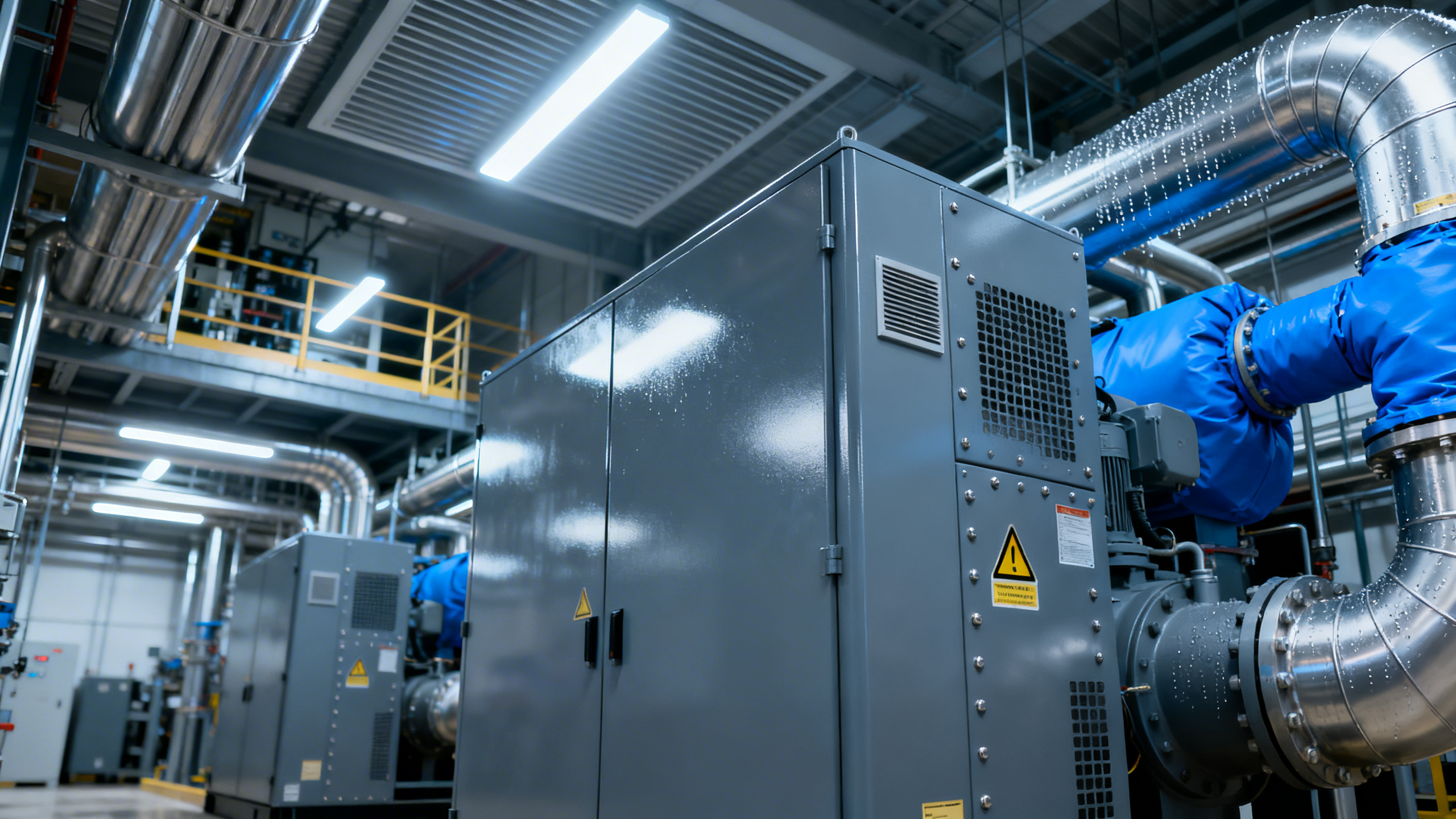
Reducing CO2 emissions in industrial settings requires attention not only to the obvious sources but also to the “invisible” emitters like compressed air systems, nitrogen supply, and electricity peaks. These often-overlooked factors can significantly inflate Scope 2 emissions, the indirect emissions from purchased electricity. Establishing a credible CO2 baseline from energy consumption data, specifically kilowatt-hours (kWh), is essential for targeted reduction efforts. This article explains practical methods to measure and verify these emissions and highlights how VPInstruments’ solutions can streamline the process.
Reducing CO2 emissions by targeting compressed air, nitrogen, and electricity peaks
Compressed air, nitrogen generation, and electricity usage peaks are hidden contributors to CO2 emissions in many industries. Compressed air systems, in particular, are energy-intensive and often exhibit inefficiencies such as leaks, improper pressure levels, and poorly performing dryers. These inefficiencies inflate the electrical demand recorded in your energy bills, thus increasing Scope 2 emissions on paper.
Creating a reliable CO2 emissions baseline requires detailed monitoring of these hidden sources rather than relying solely on aggregated energy data. For a credible approach, combining kWh data with direct flow and pressure measurements of compressed air and nitrogen is necessary. Establishing this baseline provides an accurate starting point for identifying savings potential and validating reductions as projects progress.
To understand how expensive and inefficient compressed air is, visit VPInstruments knowledge page on the huge compressed air savings potential.
How to create a credible CO2 baseline from kWh data and compressed air inefficiency
Electricity consumption data in kWh offers a concrete foundation to estimate CO2 emissions when multiplied by an appropriate emissions factor specific to your electricity provider or region. However, basing your entire emissions calculation on aggregated kWh figures alone misses inefficiencies, especially in compressed air and nitrogen systems.
Compressed air inefficiency can notably inflate Scope 2 emissions because compressors consume large amounts of power continuously. Leaks and oversizing cause compressors to cycle more frequently or run at suboptimal efficiency. Nitrogen generation systems, often integral to manufacturing, add to this hidden load. Without submetering these systems, the true impact on your energy use remains unclear, leading to imprecise emission estimations.
To enhance accuracy, combine kWh data with direct power measurement at compressors and flow measurements of compressed air and nitrogen. This helps clarify which portions of your electricity consumption relate to these utilities and where inefficiencies may exist.
Step-by-step measurement & verification plan for CO2 reduction
Implementing a systematic measurement and verification (M&V) plan ensures accurate CO2 emission tracking and validates energy-saving improvements. The following steps are practical and effective for industrial compressed air and nitrogen systems:
- Meter compressor power consumption using dedicated power meters to separate compressor load from overall electrical demand.
- Measure compressed air flow with accurate mass flow meters to monitor real-time air usage and identify leaks or wastage.
- Track dew point to assess dryer efficiency; poorly performing dryers cause extra maintenance and even downtime, and thereby an inefficient production process.
- Translate verified kWh reductions into CO2 emissions using emissions factors from your local utility or regulatory body.
This approach enables data-driven decisions to reduce unnecessary power use and lowers reported CO2 emissions confidently.
VPInstruments offers comprehensive tools perfectly suited for this purpose, including flow meters designed for compressed air monitoring, dew point sensors to verify dryer performance, and power meters to accurately record compressor energy consumption. The VPVision software integrates these data streams for clear visualization and reporting, simplifying M&V for CO2 projects.
For technical insights on why mass flow meters are excellent for use in compressed air systems, visit VPInstruments’ mass flow explanation.
Common mistakes and best practices to avoid in CO2 emissions tracking
A frequent error when estimating emissions is to rely entirely on monthly electricity bills without considering the operational nuances of compressed air and nitrogen systems. Oversized compressors, unmonitored leaks, and ineffective drying equipment can all cause significant energy waste, which are hidden on aggregated kWh data reports.
Another pitfall is neglecting electricity peaks that occur during compressor start-up or process upsets. These spikes have a disproportionate impact on energy costs and emissions but may be hidden in averaged data.
Best practices include continuous real-time monitoring of power and flow, periodic calibration of measurement instruments, and using software solutions like VPVision for data analytics. This ensures transparency and accountability in emission reduction initiatives.
Conclusion: Leveraging VPInstruments for effective CO2 emissions reduction projects
Invisible emitters such as compressed air leaks, nitrogen generation, and electricity peaks are critical targets for reducing industrial CO2 emissions. By establishing a credible baseline from kWh data combined with direct measurements and employing a rigorous measurement and verification plan, companies can uncover significant savings and verify their environmental impact reductions.
VPInstruments provides reliable and industry-specific solutions including flow meters, dew point monitors, and power meters integrated with VPVision software to meet these needs. Their tools simplify capturing airborne utilities’ usage, translating energy savings into verified CO2 reductions, and supporting transparent reporting.
Explore the VPInstruments power meter category and compressed air flow meters to kickstart your next CO2 emissions reduction project with confidence and precision.

 中国 (简体中文)
 UK (English)

