
Using monitoring data to improve asset management and reliability
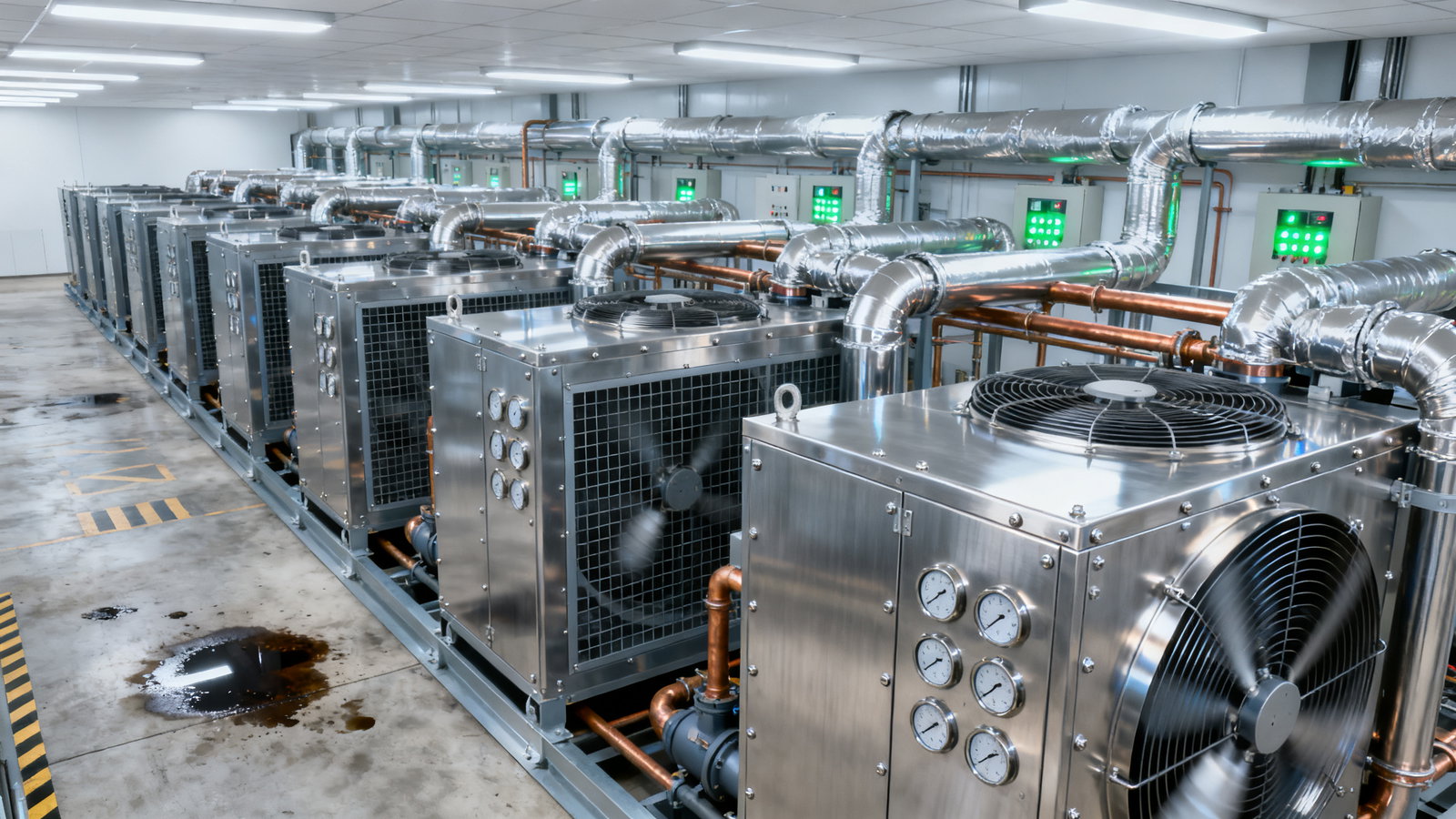
Effective asset management is essential for industries relying on critical equipment such as compressors, dryers, filters, nitrogen generators, and other machinery. Using monitoring data to implement condition-based maintenance strategies allows teams to maintain asset health proactively and reduce unplanned downtime. This article explains how monitoring of utilities supports asset performance and reliability. While offering a practical step-by-step plan for integrating this approach into asset management practices.
How monitoring data enhances asset management
Asset management focuses on optimizing the performance and lifespan of equipment, reducing failures, and minimizing maintenance costs. One effective approach is condition-based maintenance (CBM), which uses real-time monitoring data to detect signs of degradation before failure occurs. Utilities monitoring plays a crucial role in this context by tracking operational parameters such as flow, dew point, pressure and power consumption.
For example, monitoring compressed air systems for abnormal pressure drops or dew point excursions helps identify leaks, moisture problems, or filter clogging. Similarly, tracking energy drift (the change in kilowatt-hours per normal cubic meter of compressed air) allows for early detection of inefficiencies or equipment degradation.
By continuously measuring these variables in compressors, dryers, filters, and nitrogen generators, operators receive valuable insights into asset health, enabling better decision-making and preventive actions.
A practical asset management integration plan
Implementing condition-based maintenance using monitoring data can seem complex, but following a structured approach simplifies integration into existing maintenance routines.
Step 1: Define critical assets
Begin by identifying assets that are vital to your operation’s reliability and efficiency. Typically, critical machinery includes compressors, dryers, filters, and nitrogen generators due to their role in maintaining system quality and continuity.
Prioritize assets based on factors such as failure impact, maintenance costs, and replacement lead times. Establishing which assets are critical guides instrumentation efforts and resource allocation.
Step 2: Instrument your assets
Install suitable sensors and measurement devices to capture key operational data. Essential parameters include flow, pressure, temperature rates, dew point (moisture level) and power consumption. This instrumentation forms the backbone of monitoring, feeding continuous data streams for analysis.
Choosing accurate and reliable instruments is critical, as poor data quality can lead to false alarms, missed anomalies or wrong investment decisions.
Step 3: Set thresholds and alarms
Define limits for monitored parameters that indicate normal operating conditions versus potential faults. For instance, setting maximum acceptable pressure drop values or dew point levels beyond which dryer efficiency is compromised helps detect early warning signs.
Alarm thresholds should be specific and based on historical data, manufacturer specifications, and experience. Well-set alarms reduce nuisance alerts and ensure maintenance teams focus on true issues.
Step 4: Create rules for maintenance triggers
Translate monitoring data and alarm conditions into actionable maintenance triggers. This may include scheduling filter replacements when a pressure differential threshold is exceeded or initiating dryer regeneration cycles upon dew point excursions.
Rules typically combine multiple KPIs where appropriate to avoid unnecessary interventions and optimize maintenance frequency.
Step 5: Feed insights into maintenance routines
Integrate these data-driven triggers into everyday maintenance workflows to create a responsive asset management system. Regular reviews of alarm frequency, runtime statistics, and recurring anomalies help adjust thresholds and rules for continuous improvement.
Key performance indicators useful for asset health monitoring
KPIs focused on asset performance provide measurable inputs to the asset management process. Important KPIs for utilities and compressed air systems include:
- Abnormal pressure drops across filters and dryers, indicating clogging or blockages
- Dew point excursions that reveal moisture infiltration affecting air quality
- Energy drift measured as kilowatt-hours per normal cubic meter (kWh/Nm³) highlighting efficiency losses
- Equipment runtime for detecting either overuse or underuse compared to expected cycles
- Alarm frequency and patterns, indicating recurring issues or false positives
Monitoring these KPIs enables operators to intervene precisely when needed, reducing downtime and maintenance costs.
How VPInstruments supports advanced asset management
VPInstruments offers comprehensive monitoring solutions that provide flow, pressure, temperature, dew point, and power measurements essential for condition-based maintenance. Using precise instruments such as all-in-one flow meters and dew point sensors, facility teams can collect reliable data on critical assets including compressors and nitrogen generators.
Additionally, VPInstruments’ VPVision software enables real-time alarm management, trending analysis, and automated reporting. This centralized platform helps reliability teams track abnormal KPIs, analyze recurring anomalies, and make data-driven decisions seamlessly.
More about VPInstruments monitoring solutions and products can be found on our product overview page.
Optimizing maintenance strategies with monitoring data
Consistency and accuracy of measurement are crucial for effective asset management. Selecting quality instrumentation tailored to your assets and continuously refining alarm thresholds based on operational data will significantly reduce unplanned failures.
Integrating these insights into maintenance planning ensures that teams focus efforts on the right assets at the right time, balancing reliability with cost-efficiency.
In conclusion, leveraging monitoring data for asset management leads to an optimized maintenance approach focused on condition rather than fixed schedules. This transition enhances asset life, reduces operational interruptions, and improves overall plant performance.
Explore VPInstruments’ monitoring solutions to empower your reliability teams with the data and tools needed for modern asset management and condition-based maintenance.
 中国 (简体中文)
 UK (English)

