
Nitrogen flowmeter guide how to measure nitrogen flow accurately
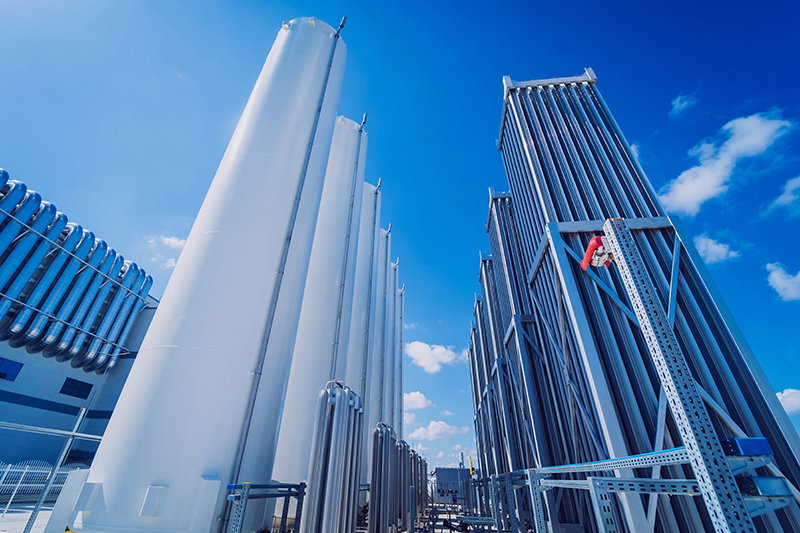
A nitrogen flowmeter is an essential instrument used to measure the flow rate of nitrogen gas in various industrial processes. Accurate measurement of nitrogen flow is critical for applications ranging from inerting and purging to chemical manufacturing and food packaging. Understanding how a nitrogen flowmeter works, choosing the right type, and avoiding common measurement errors can significantly improve process efficiency and safety.
Understanding the nitrogen flowmeter
A nitrogen flowmeter is a device designed specifically to measure the volumetric or mass flow rate of nitrogen (N2) gas. Nitrogen is an inert gas widely used in industries due to its non-reactive nature. Flowmeters for nitrogen differ from those used for liquids or other gases because nitrogen’s properties, such as low viscosity and density variations with temperature and pressure, require careful calibration and selection of the right measurement principle.
There are various technologies used in flowmeters to measure nitrogen flow. Some of the most common types include differential pressure flowmeters, thermal mass flowmeters, and ultrasonic flowmeters. Each type suits different process conditions, flow ranges, and accuracy requirements.
For a detailed explanation of flow measurement principles and calculations related to gases including nitrogen, readers can consult this technical resource on mass flow and calculations.
Common applications and challenges in measuring nitrogen flow
Nitrogen flowmeters find applications in industries such as electronics manufacturing, pharmaceuticals, food and beverage, and petrochemical processing. In these sectors, nitrogen is often used to create inert atmospheres to prevent oxidation or explosions, making precise flow monitoring critical.
Measuring nitrogen flow accurately faces a few challenges. Because nitrogen is a compressible gas, changes in pressure and temperature can affect flow readings if the flowmeter is not properly compensated. Additionally, contamination in the gas stream or flow disturbances due to pipe fittings can reduce measurement accuracy.
Some typical mistakes made when using nitrogen flowmeters include:
- Neglecting calibration adjustments for temperature and pressure variations.
- Installing flowmeters in locations with turbulent or pulsating flow without proper flow conditioning.
- Choosing flowmeters unsuitable for low flow rates or specific nitrogen purity levels.
- Overlooking regular maintenance and sensor cleaning, leading to measurement drift.
Choosing the right nitrogen flowmeter
When selecting a nitrogen flowmeter, consider the following factors to ensure accurate and reliable measurements:
- Flow range: Confirm the meter covers the expected minimum and maximum nitrogen flow rates.
- Flow type: Decide between mass flow measurement or volumetric flow measurement, depending on the process control needs.
- Process conditions: Evaluate operating pressure, temperature ranges, and potential contaminants.
- Installation environment: Assess space constraints, mounting orientation, and available straight pipe lengths for accurate readings.
- Maintenance requirements: Check ease of calibration, sensor replacement, and software integration.
Flowmeters using thermal mass technology have gained popularity for nitrogen due to their direct mass flow readings and minimal impact by pressure and temperature fluctuations. However, differential pressure flowmeters can be advantageous in systems where simple, rugged devices are preferred. Be selective, as there are differential pressure flowmeters that can give output in mass flow nowadays.
Nitrogen flowmeter technologies and their suitability
The selection of the appropriate nitrogen flowmeter technology depends on the specific application needs. Here is an overview of three common types:
- Thermal mass flowmeters: Measure mass flow by detecting changes in heat dissipation from a heated sensor element. These flowmeters provide accurate, real-time gas mass measurement without needing separate temperature or pressure sensors. They offer a large flow range, but they can be installed in dry nitrogen only.
- Differential pressure flowmeters: Use the pressure drop across an obstruction such as an orifice plate, venturi tube or insertion probe to calculate volumetric flow. These are well-established technologies for measuring wet nitrogen. But they have a limited flow range, and the majority require additional compensation for gas properties. Only a handful in the market measure mass flow directly
- Ultrasonic flowmeters: Utilize sound waves to measure flow velocity. These meters are non-intrusive and have no moving parts, suitable for clean, pressurized nitrogen pipelines.
Understanding the difference between mass flow and volumetric flow is important when selecting a nitrogen flowmeter. Nitrogen gas volume changes with pressure and temperature, so measuring mass flow can give more reliable data for process control. For a more technical discussion on this topic, see the article on mass flow versus volumetric flow difference.
Integrating nitrogen flowmeters into industrial systems
Integration of nitrogen flowmeters requires consideration of signal outputs, data logging, and compatibility with control systems such as SCADA (Supervisory Control and Data Acquisition). Many modern flowmeters offer digital communications, enabling remote monitoring and advanced diagnostics.
Proper installation is crucial for accurate measurement. Ensuring sufficient straight pipe length upstream and downstream from the flowmeter minimizes turbulence and swirl effects. Periodic calibration and sensor diagnostics can detect drift or fouling in the system, maintaining confidence in the readings.
Ensuring accuracy and reliability in nitrogen flow measurement
Accurate nitrogen flow measurement depends on good instrumentation practices and ongoing maintenance. Some tips for achieving this include:
- Using flowmeters designed and calibrated properly.
- Maintaining stable operating conditions or employing flowmeters with temperature and pressure compensation.
- Regularly calibrating the flowmeter to traceable standards.
- Implementing diagnostics and alarms to detect abnormal flow conditions.
Nitrogen purity and moisture content can also affect flowmeter performance. In such cases, additional gas conditioning or filters may be necessary.
For organizations looking for precise and dependable nitrogen flow measurement, VPInstruments offers specialized flowmeters designed for gas measurement applications. Their products include thermal mass and differential pressure flowmeters that provide direct mass flow reading and robust performance for industrial environments.
Integrating a suitable nitrogen flowmeter can optimize process control, reduce nitrogen consumption, and enhance safety. Selecting technology that matches your operational conditions and maintaining proper calibration ensures confidence in flow data, supporting efficient industrial operations.
Conclusion
Choosing the right nitrogen flowmeter involves understanding the technical principles, common application challenges, and measurement requirements such as flow type and process conditions. Avoiding installation errors and maintaining calibration will improve accuracy and reduce operational risks. For reliable nitrogen flow measurement, consider advanced thermal mass flowmeters offered by trusted suppliers like VPInstruments. Contact us for free consultation.
 中国 (简体中文)
 UK (English)

