
Compressed air leaks: from hidden loss to measurable savings
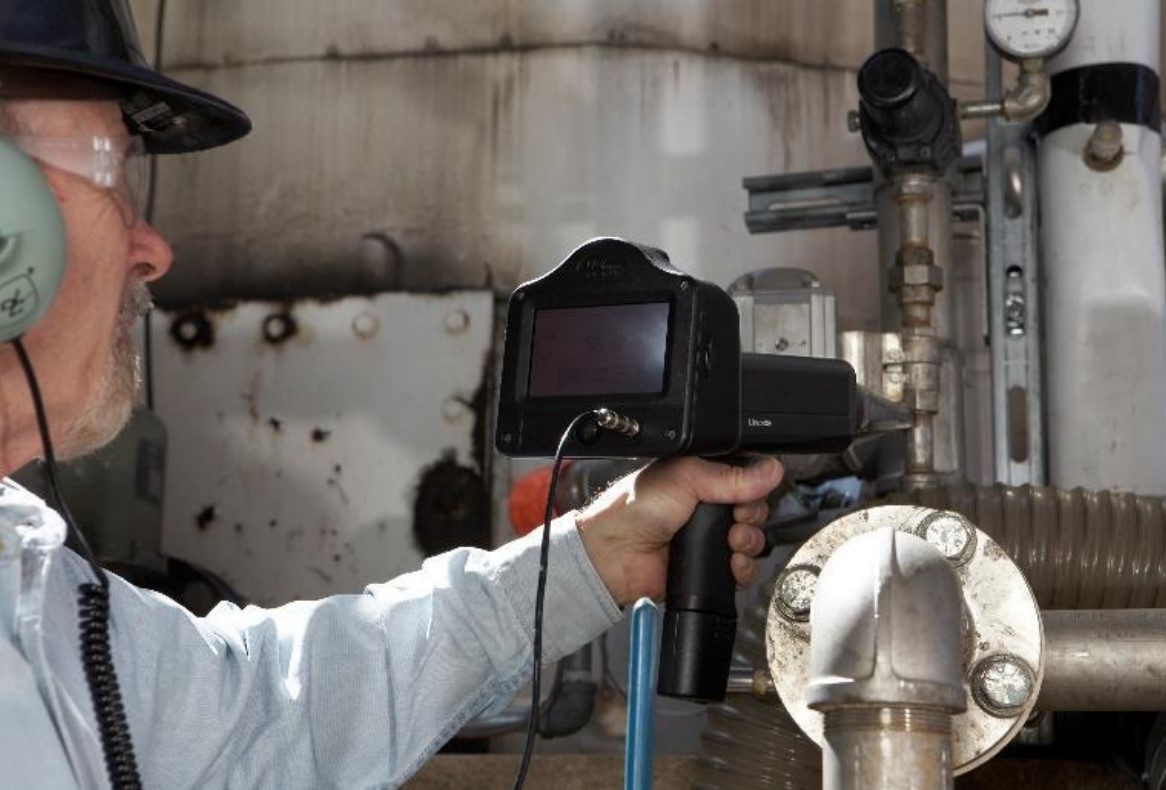

Compressed air leaks silently drain energy budgets, steal compressor capacity and put uptime at risk. Yet in many plants, leaks are still treated as an occasional maintenance task, not as a continuous performance issue. By turning leak detection and monitoring into a simple, data-driven process, you can cut energy use, reduce CO₂ emissions and free up capacity for production.
Compressed air leaks as an energy and capacity problem
In most industrial facilities, compressed air is one of the top energy consumers. However, because it is often seen as a utility rather than a process, systematic leak management is rarely prioritised. Studies show that leaks can account for 20–30% of total compressed air consumption, and in some extreme cases even more. That means a significant share of your compressor power bill delivers no value at all.
Besides wasted electricity, leaks reduce available system pressure, forcing compressors to run longer or load more often. As a result, you may be investing in extra compressor capacity when you could instead remove leaks and unlock existing capacity. Therefore, understanding your leak rate and its trend over time is essential for both energy management and production reliability. For a clear, continuous view on your compressed air system, you can use permanent flow and energy monitoring solutions such as the VPVision energy management system.
Compressed air leak detection versus leak monitoring
Many plants organise periodic leak detection campaigns with an ultrasonic gun and a clipboard. While this approach can find the most obvious leaks, it is only a snapshot. New leaks appear as equipment ages, fittings loosen and production changes. Within months, your leak rate may be back where it started, and your energy savings have quietly disappeared.
Leak detection is therefore only the first step. Leak monitoring adds continuous measurement of flow, pressure and power at key points in the system. When you track these parameters 24/7, you can quantify your baseline leak rate, verify the impact of repairs and detect new problems early. In addition, monitoring data supports conversations with finance and management, because it translates technical issues into clear euros, dollars and tonnes of CO₂.
With the right metering strategy, you do not need a large engineering team. Modern sensors and loggers are plug-and-play, integrate with existing PLC or SCADA, and present data in a simple web interface. For example, installing power meters on compressors and flow meters on main distribution lines gives you an immediate overview of where and when air is being lost.
Building a practical leak strategy with limited resources
For busy energy and plant managers, the real challenge is not understanding that leaks are costly; it is finding a practical way to manage them with limited time and people. A workable leak strategy combines four elements: measurement, prioritisation, execution and verification.
Measure and establish your leak baseline
First, you need a reliable picture of your leak losses today. A simple method is to measure compressor power and system flow during non-production hours. Any stable flow during planned downtime indicates leak flow. When you combine this with your compressor efficiency, you obtain a clear kWh and cost figure for leaks.
Permanent meters make this process easier and more accurate. Flow meters in each main line, combined with compressor power measurement, allow you to see how leak rates differ per area, per shift and over the year. This information is crucial if you operate multiple sites or energy-intensive departments, such as glass furnaces, automotive paint shops or large packaging halls.
Prioritise repairs based on cost and risk
Once you have a baseline and you found a significant amount of leak volume, you can go into the factory with your ultrasonic leak gun to find those leaks. By using a smart leak detector, you can tag each leak with their leak volume and costs. Then by ranking the leaks, you can prioritise repairs. Instead of fixing leaks in the order they are found, rank them by estimated loss, ease of repair, ROI and impact on production. A small leak on a critical line that limits pressure may deserve faster attention than a larger leak in a non-critical area.
Monitoring data helps here as well. When a department suddenly shows a higher base load, you can direct your maintenance team to that zone first. In this way, you avoid wasting limited inspection time and focus instead on high-return activities. To keep the team aligned, some plants use clear dashboards that show leak-related KPIs, such as night-time flow, compressor running hours and specific energy. These KPIs can be tracked with multi-parameter instruments like the 3-in-1 flow meters that measure flow, pressure and temperature in one device.
Execute, verify and sustain the savings
After repairs are completed, the crucial step is verification. If you have baseline data, you can compare before and after leak repair campaigns. When you see the base load dropping and compressor running hours decreasing, you have hard proof for your management and for ISO 50001 documentation.
Verification closes the loop and builds trust. It also supports budget requests for future leak reduction projects, because you can show a track record of real savings. Moreover, when monitoring is continuous, you will see leak levels rising again and can schedule the next campaign before losses become excessive. Over time, leak control becomes a regular, planned activity rather than a reactive firefight whenever complaints about low pressure appear.
From hidden cost to continuous improvement
When you treat leaks as a controllable, measurable process, they move from being an unavoidable overhead to a stable source of savings and CO₂ reduction. This mindset fits well with ISO 50001 and similar frameworks, which require continuous performance improvement and verifiable results. Instead of one-off projects, you build a cycle of measure, act and review.
For energy and plant managers in sectors such as food, glass, automotive, steel and pharma, this approach offers a double benefit: lower energy spend and higher production reliability. However, it only works if tools are simple enough for a small, busy team to use without expert support.
Modern monitoring systems provide this simplicity with plug-and-play installation, standard communication protocols and intuitive dashboards that turn data into clear actions. To discover how continuous compressed air monitoring can support your leak strategy and broader energy goals, explore our range of monitoring solutions for compressed air systems and start turning hidden losses into measurable savings.

 中国 (简体中文)
 UK (English)

